
The UNESCO Chair in Generative Pedagogy and Educational Systems to Tackle Inequality at the University of Salerno at Innovation Days 2026: Generative Pedagogy, Innovation, and Human Development

UNISA’s UNESCO Chair at Innovation Days 2026 | Generative Pedagogy
The UNESCO Chair at the University of Salerno takes center stage at Innovation Days 2026 with Generative Pedagogy, the O.Ge.S.O. Protocol, and interviews with IBM and Orlando Troisi.
The UNESCO Chair at the University of Salerno at Innovation Days 2026: Generative Pedagogy, Innovation, and Human Development
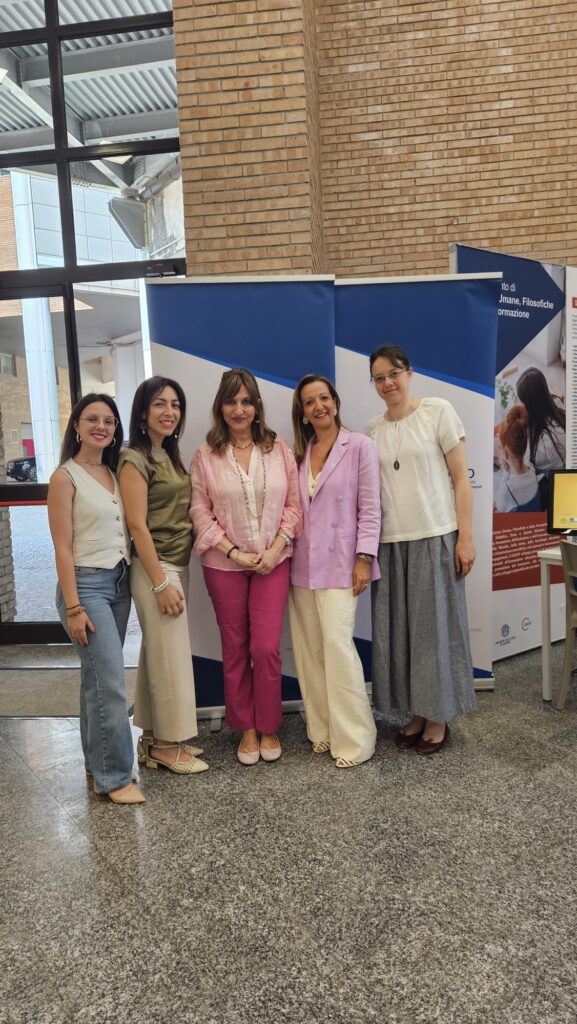
The UNESCO Chair “Generative Pedagogy and Educational Systems to Tackle Inequality” at the University of Salerno, directed by Prof. Emiliana Mannese, participated in Innovation Days 2026, an initiative promoted by the University to foster dialogue among research, businesses, institutions, and the local community, thereby consolidating the University’s role as a driver of innovation, knowledge transfer, and sustainable development.
Generative Pedagogy as a Paradigm for Educational Innovation
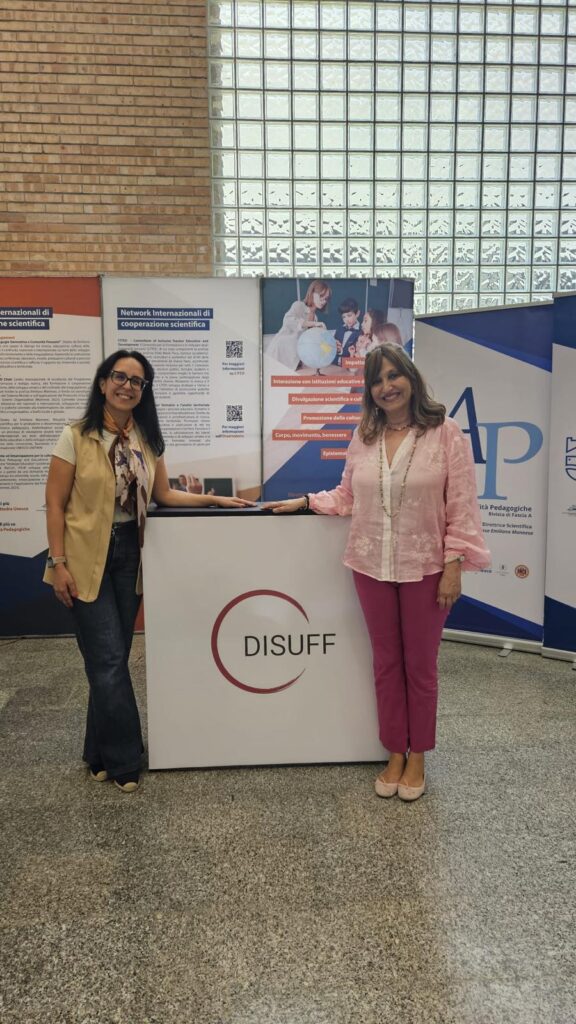
Within the exhibition space of the Department of Human, Philosophical, and Educational Sciences (DISUFF), the UNESCO Chair presented the scientific paradigm of Generative Pedagogy as a key framework for interpreting contemporary transformations and as a foundation for designing educational systems aimed at combating inequalities.
The meeting with businesses, institutions, and stakeholders provided an important opportunity to share the main lines of research developed by the UNESCO Chair, based on the idea that education constitutes the most important strategic infrastructure for supporting processes of social, economic, and cultural innovation.
The O.Ge.S.O. Protocol and UNESCO’s International Networks
The presentation of the UNESCO Chair’s activities, the international networks developed within the framework of the UNESCO UNITWIN Program, and the numerous Third Mission initiatives that characterize its scientific commitment generated particular interest.
At the heart of the presentation was the O.Ge.S.O. Protocol—Generative Guidance and Organizational Systems—a theoretical and methodological model developed to support processes of lifelong guidance, talent development, and organizational change, promoting educational and professional contexts capable of generating value for individuals, organizations, and communities.
Interviews with IBM Italy and the Delegate for Knowledge Valorization
Innovation Days 2026 also provided an opportunity to engage in in-depth discussions with some of the leading national organizations involved in innovation processes.
This section features two interviews conducted during the event: the first with Nico Losito, General Manager of IBM Italy, focusing on the prospects opened up by technological innovation and artificial intelligence in the transformation of organizations and education; the second with Prof. Orlando Troisi, the Rector’s Delegate for Knowledge Valorization at the University of Salerno, who reflects on the role of the UNESCO Chair as a mechanism for public engagement within the framework of the Third Mission—understood as a space for integration among research, knowledge transfer, businesses, and regional development.
Research That Generates Public Value
The UNESCO Chair’s presence at Innovation Days reaffirms a conception of innovation that goes beyond an exclusively technological perspective to recognize its educational, cultural, and social nature.
From this perspective, innovation means creating the conditions for knowledge to become a driver of learning, human development, and societal transformation, generating new opportunities for growth for individuals, organizations, and regions.
The Innovation Days thus reaffirm their role as a unique forum for collaboration among universities, businesses, and institutions, where educational research is called upon to offer an original contribution to the design of future educational systems.
For the UNESCO Chair at the University of Salerno, participating in this initiative means strengthening dialogue with innovation stakeholders and promoting a culture of knowledge capable of placing the individual, Generative Talents, Thinking Communities, and the building of a more equitable, just, and sustainable future at the center.


System to Tackle Inequality